
#Paul #Thomas #Anderson #Movies #Masterpieces
Making his mark on the cinematic landscape in the 1990s, largely by channeling the sensibilities of filmmaking idols like Robert Altman and Martin Scorsese, Paul Thomas Anderson instantly became one of the most interesting directors of his generation. His earlier films did have clear influences, but he did his own thing with them and made them stand out enough, before branching out a little and becoming a more distinctive filmmaker after the turn of the 21st century. This can be seen in the likes of The Master, which is difficult to compare to much else out there, and Inherent Vice, which was the first movie to have a shot at adapting Thomas Pynchon to the big screen. And then there’s his newest film, One Battle After Another, which is also pretty wild and singular, having some links (again) to Pynchon, but not being a direct adaptation of Vineland (1990). It’s something big and new for Anderson, and already feels like it could well be something of a modern classic.
Honestly, Anderson hasn’t really missed, when it comes to his feature films so far. His “weakest” film is still very good: 1996’s Hard Eight, which is smaller in scale and ambition than what he later became known for, but still great as a proof-of-concept for what he could do. It is, to Paul Thomas Anderson, what Following is to Christopher Nolan, what Pi is to Darren Aronofsky, and (debatably) what Reservoir Dogs is to Quentin Tarantino. As for his masterful movies? They’re ranked below, and some may feel there are omissions here. Again, everything he’s made ranges from good to borderline-perfect in quality, so only picking a handful of the very best is, naturally, not the easiest of tasks. But such choices have to be made, and when it comes to cutting titles, there was indeed blood spilled.
5
‘Punch-Drunk Love’ (2002)
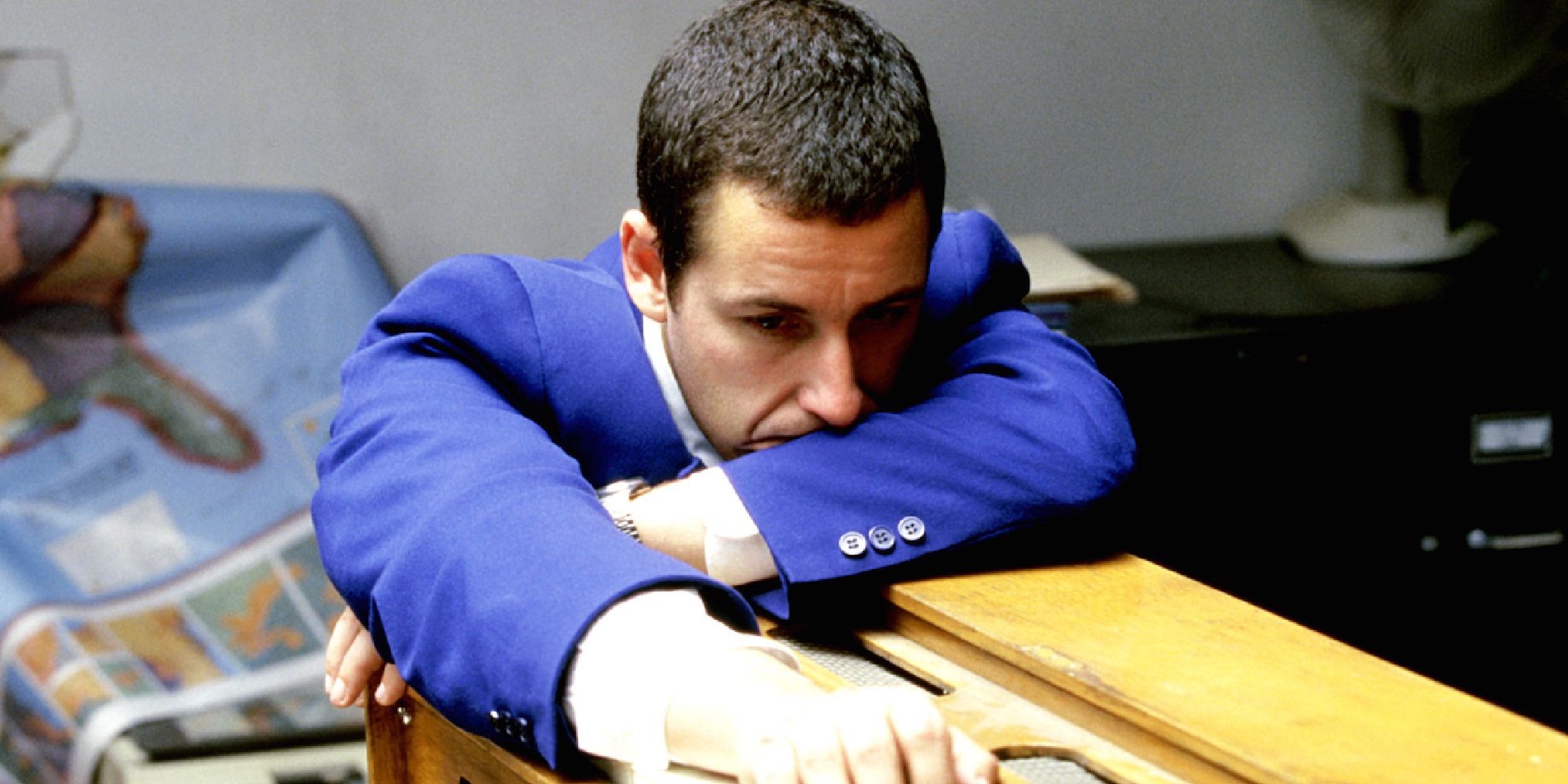
After directing a couple of films with big ensemble casts (more on those in a bit), Paul Thomas Anderson tried his hand at making something a little more limited in scope, but not in a way that was super comparable to Hard Eight. The film in question was Punch-Drunk Love, and it’s an oddity within Anderson’s filmography, which is already one where most entries feel quite distinctive. It’s easiest to describe it as an offbeat romantic dramedy of sorts, but one that focuses on putting forth an odd feeling of anxiety, and sometimes contrasting that sensation with moments of genuine heart. It’s a film that features what’s easily one of Adam Sandler’s all-time greatest performances, here playing a man who is continually unlucky, stressed, and treated poorly by those around him. But then he finds an opportunity to fall in love, and pursues that source of happiness, even though the challenges in other parts of his life remain.
Punch-Drunk Love is one of the more underrated Paul Thomas Anderson movies. It’s well-regarded, but isn’t the kind of film that often tops anyone’s personal ranking.
Punch-Drunk Love is kind of an arthouse film, too, but one that feels approachable, sometimes funny, and always engaging, so long as you don’t mind feeling on edge quite a bit (not to the same extent as Sandler’s Uncut Gems or anything, but there are stretches of the film that scratch the same itch). The cast isn’t huge here, but those who show up in supporting roles alongside Adam Sandler are also great, including Emily Watson and Philip Seymour Hoffman, the latter of whom showed up in five of Anderson’s feature films released between 1996 and 2012. But yeah, Punch-Drunk Love is one of the more underrated Paul Thomas Anderson movies. It’s well-regarded, but isn’t the kind of film that often tops anyone’s personal ranking of his work. And sure, it might not be #1, but it should still be held up as a contender, and perhaps even one of his best.
4
‘There Will Be Blood’ (2007)
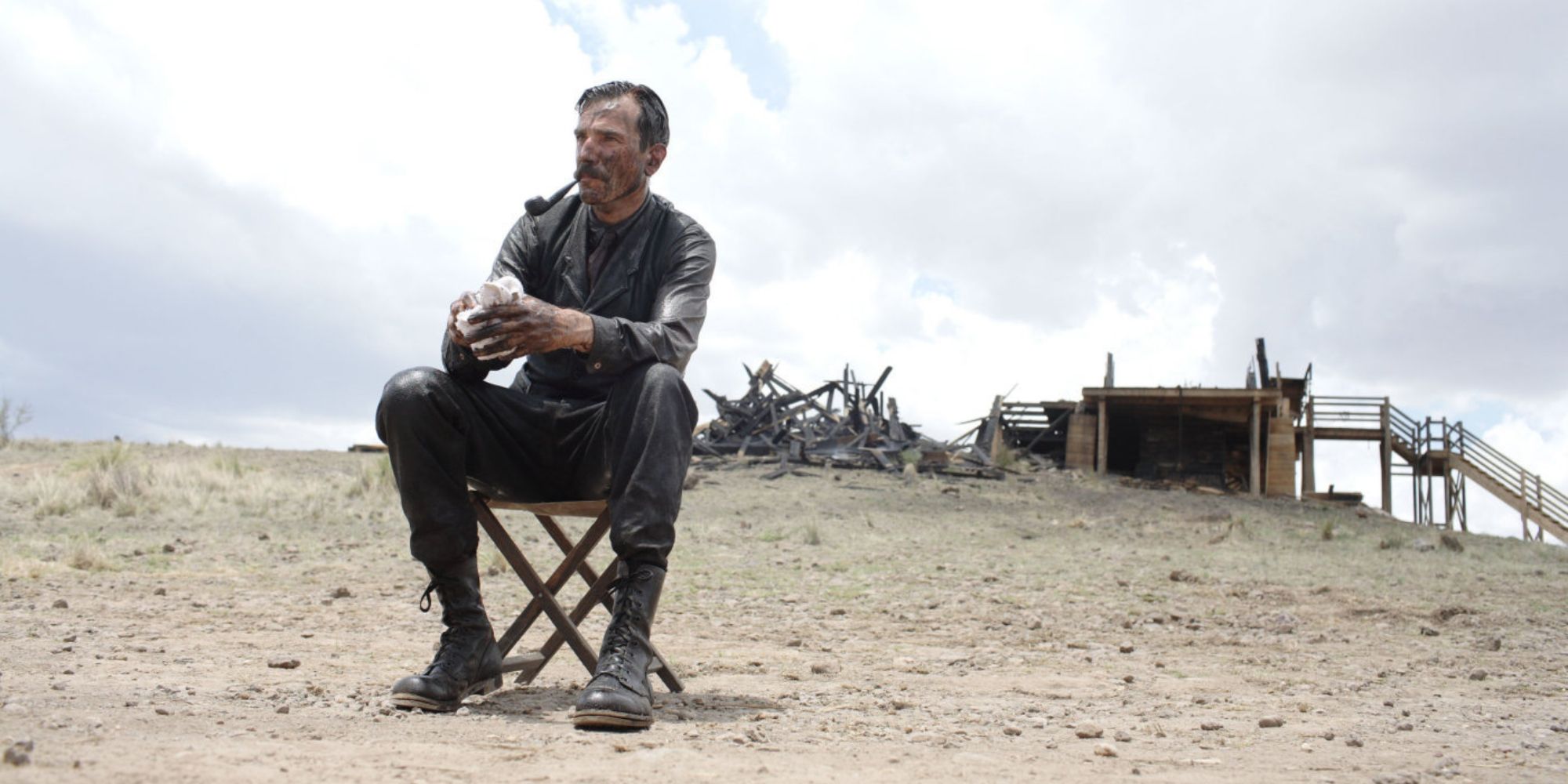
There Will Be Blood, for better or worse (mostly better) feels like Paul Thomas Anderson’s most important film. It’s not as flashy as some of his earlier works, and takes itself rather seriously, being the cinematic equivalent of an author putting all they’ve got into making that elusive “Great American Novel.” But Anderson succeeded here, since There Will Be Blood largely does feel like… well, not the great American movie (or whatever the equivalent is), but certainly a great American movie, being all about greed, the lust for power, money, oil, exploitation, betrayal, and the brutality of doing business. Daniel Day-Lewis is even more phenomenal than usual in the lead role, playing the instantly iconic Daniel Plainview, who essentially rampages through oil-rich land in California, buying up all the properties he can to own them all and make all the money. He’s like Disney, but for oil, instead of the 21st-century entertainment landscape.
Day-Lewis earned his second of three Oscar wins for his performance in There Will Be Blood, and it was more than well-deserved. His acting here is the main reason to watch the film, but everything else here is also great, including a more underrated supporting performance by Paul Dano (who technically plays two characters here). It unfolds slowly but surely, and does also build to a legendarily memorable ending, and the pacing, though deliberate, never drops to the point where the film runs the risk of becoming boring. There’s a lot to chew on with There Will Be Blood, and some things are left ambiguous enough that you can read into things and come up with some kind of wild theories if you want. At its core, though, it’s a portrait of a ruthless – yet compelling – villain, and an exploration of how sometimes, having everything still isn’t enough.
3
‘One Battle After Another’ (2025)

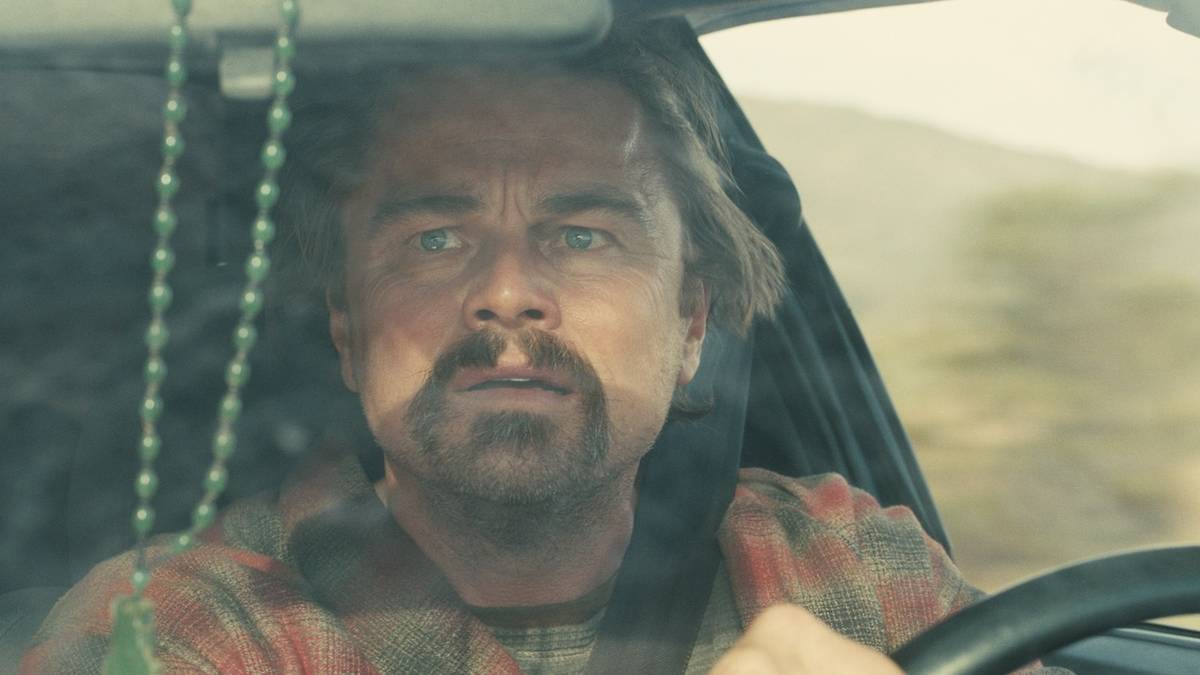
Thanks to its budget and scope, One Battle After Another is pretty much a blockbuster, but with a slightly offbeat energy that makes it also feel very much like a Paul Thomas Anderson film. The balance is maintained impressively, because this one goes big while also having a good deal more action than you might expect from one of Anderson’s films. It’s not as intimate as There Will Be Blood or The Master, but it doesn’t go as big with its cast as some of Anderson’s earlier ensemble pieces, so it’s a bit of a middle ground in that regard, too. But it finds different ways to get epic, all the while telling a fairly straightforward story about a father and his daughter living low, owing to the father’s days as a revolutionary figure, only for things from his past to catch up with him, and that puts the pair in danger. It’s a long movie, though, so there’s more to it beyond the basics. It’s kind of the case where One Battle After Another is a good enough ride that it would feel wrong to explain too much more, because there are some surprises here that could be ruined a little easily.
But above all else, the main thing to take away from One Battle After Another is just how surprisingly entertaining and fun it is. There are fun moments in some earlier Paul Thomas Anderson movies for sure, but nothing has ever been this consistently energetic and bouncy. It’s kind of a comedy, but it’s also got heart, and then much of it retains a tense feeling throughout, and then there are even some action sequences thrown in for good measure. It does a lot all at once, but never overextends itself. It’s a movie about chaos, but it’s always in control, and you feel Anderson’s guiding hand over the way it looks, feels, and sounds (at least as far as the excellent dialogue goes). Leonardo DiCaprio has more than proven his worth over the past couple of decades, but he’s pretty much at his best here, and so too is Sean Penn in a seriously effective antagonistic role. Also, One Battle After Another feels timely and socially conscious without ever being preachy, and it gets the political/social commentary right, making it feel natural alongside all the entertainment on offer. Movies on this scale that are this good – and also this singular – don’t come around all that often, and that makes One Battle After Another well worth celebrating.
2
‘Magnolia’ (1999)
In Magnolia, many stories are told simultaneously, with some overlapping and others only really being thematically connected (and you might even have to squint a bit to observe such connections). Family plays a role, as does loneliness, in a bunch of the stories, and many characters are either fathers or children with strained relationships with their fathers. And everything happens over the course of a short period of time, with people dealing with everyday issues and conflicts that still feel heightened and, not paradoxically, sometimes larger than life. Magnolia is kind of a melodrama, but a brutally effective one that shows how melodrama, on its own, should not be a dirty word. It’s like autotune. There’s a way to do it right, even if a lot of people tend to do it wrong.
But Paul Thomas Anderson really did it right here, making Magnolia feel like an unusually intimate epic of sorts, and one with a good deal of stuff that’s aged surprisingly well (see Tom Cruise’s performance/character, especially). Magnolia also takes risks that only a fairly young – and potentially even overly ambitious – filmmaker would take, and so subtlety isn’t really something that plays a part here, setting Magnolia aside from the likes of the more restrained There Will Be Blood, The Master, and Phantom Thread. They’re all character-focused dramas of a different nature, and without massive ensemble casts. Some might prefer those, but honestly, when Anderson has a lot of moving pieces and talented actors to direct, he just does it so well, and crafts these fast-paced, absorbing, immersive, and – for lack of a better word – gigantic films. Magnolia does this kind of movie as well as Altman ever did, and that’s saying a lot. It’s pretty brilliant, but there just so happens to be one even greater Paul Thomas Anderson movie out there, released just a couple of years earlier.
1
‘Boogie Nights’ (1997)
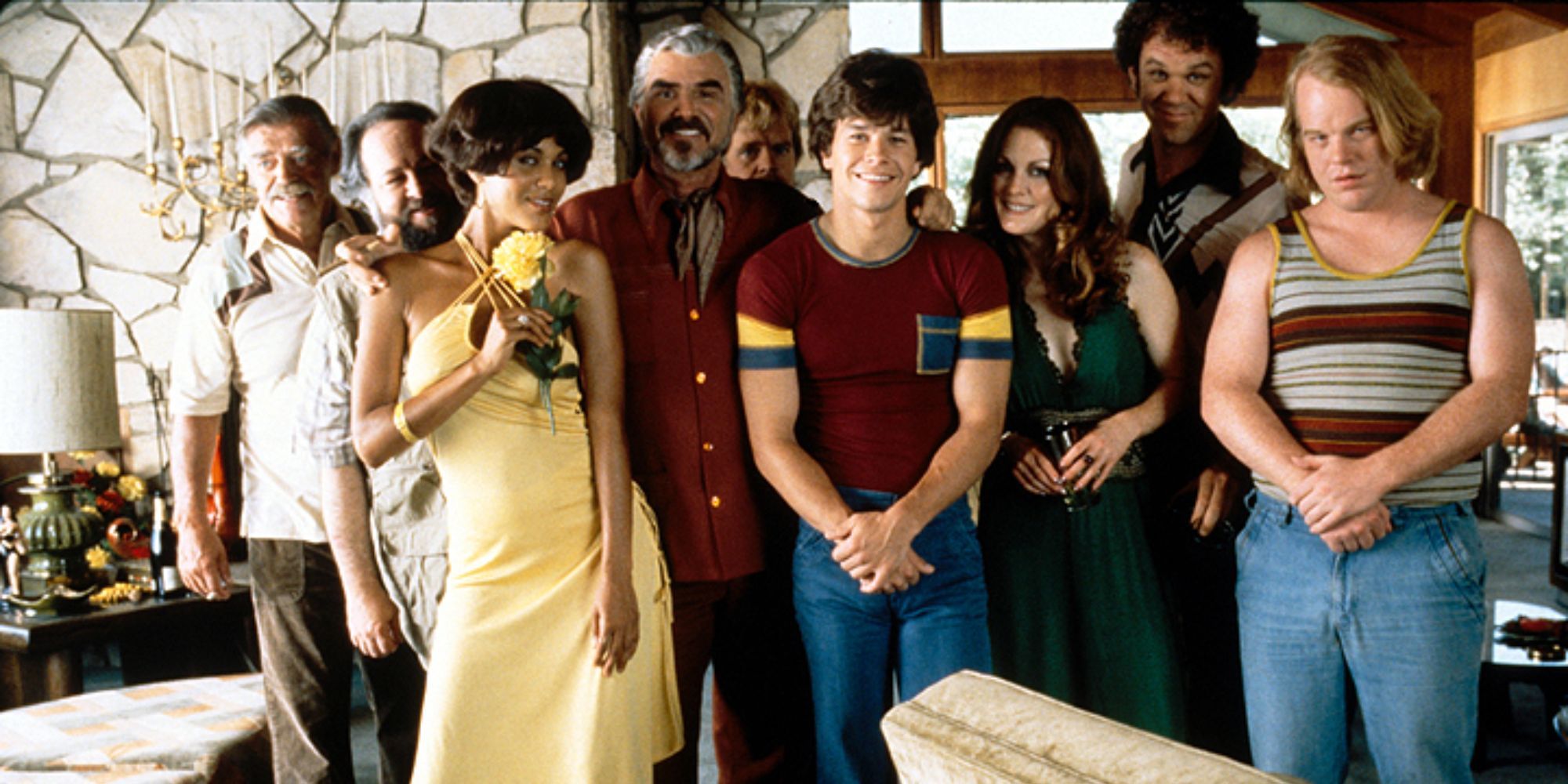
If Magnolia was Paul Thomas Anderson doing Robert Altman, then Boogie Nights is him doing Martin Scorsese, with maybe a little Altman thrown in for good measure. It’s got that satisfying rise-and-fall structure and breathless pacing that can be seen in gangster movies like Goodfellas, and the narrative also effortlessly spans numerous years, too, all the while juggling a bunch of different characters. They’re largely united by their proximity to the adult film industry, with Boogie Nights showing the ups and downs of being involved in such a life, especially from the 1970s until the 1980s, when times changed and pursuing a career as an actor, filmmaker, or producer in the world of adult film got a whole lot more challenging.
It’s best defined as a drama, but Boogie Nights can be funny at times, and it’s also paced in a way that puts a good many full-on action/thriller movies to shame. It’s the most all-over-the-place Anderson film in terms of what gets explored emotionally, but Boogie Nights never flies out of control, or out of the grasp of its director. It’s just wild enough to feel spontaneous and thrilling, but you can also take a step back and appreciate just how Paul Thomas Anderson is guiding it all, with the controlled chaos of it all being exhilarating. Also like Magnolia, it has too many famous people to fully go over, but what’s significant is that the cast here is absolutely one of the most star-studded of the entire 1990s. Boogie Nights just has so much to offer as a movie. It’s almost overstuffed, but also kind of perfectly executed. It’s the kind of film you can drown in, and somehow, not being able to stay afloat is both fun and rewarding.

Boogie Nights
- Release Date
-
October 7, 1997
- Runtime
-
155 minutes
- Director
-
Paul Thomas Anderson
- Writers
-
Paul Thomas Anderson