
#Great #Space #Operas #Star #Wars
It is hard to imagine what it was like for those who were able to witness Star Wars when it first released, unaware (though perhaps having an inclination) of what a worldwide phenomenon it would become, but undeniably caught up in the magic of it all. Star Wars, or if you prefer Star Wars: Episode IV – A New Hope, was unlike anything else ever brought to the screen when it premiered in 1977. In many ways, it also remains the definitive space opera—a grand, sweeping adventure in outer space.
Yet Star Wars is far from the first space opera, even if it is the most well-known and revered. These 10 movies, which predate Star Wars, still manage to convey epic space adventures that will please fans of sci-fi and space operas.
Here are 10 great space operas that came out before Star Wars ever existed.
‘Rocketship X-M’ (1950)
Rocketship X-M follows a space crew aboard the titular ship, who find their mission to the moon has gone awry, instead of landing them on Mars and stranding them. It is here that they discover the remnants of an ancient civilization, similar to humans, that collapsed due to war and environmental catastrophes. With supplies dwindling, the crew tries to piece together what they can to find a path back home.
An Early Pioneer of Sci-Fi
Even in its infancy, science fiction film was used as a cautionary tale for grander schemes; in the case of Rocketship X-M, it was war and the dangers of technological independence. Besides helping to lay the groundwork for melding morality with sci-fi that would become essential to many space operas, the movie also featured groundbreaking special effects for its time. Very outdated by modern standards, both tonally and visually, the film remains an integral release, and one that is not without its charms when comparing how far the sci-fi genre has come.
‘Flight to Mars’ (1951)
Only a year after the release of Rocketship X-M, and oddly, feeling spiritually connected despite sharing the same cinematographer, Flight to Mars would mark another landmark trip to the red planet. Here, a group of American scientists and journalists would embark onto Mars only to find it inhabited by an alien race that seems welcoming. However, the crew soon learns that society is on the brink of collapse, and they plan to evade Earth, making them the only defense against an alien invasion.
To Mars and Back
While ‘Cinecolor’ now feels like an assault on the eyes, Flight to Mars found popularity as one of the few sci-fi films of the 1950s shot in this style, giving it an enduring cult appeal in its visuals alone. Still, the film feels quintessential Golden-era sci-fi pulp from start to finish, with stylized rocketships, aliens, and daring escapes from a charismatic crew of space travelers. Packed with retro charm and a hint of Cold War allegory, the movie has remained an appreciated cult classic.
‘First Spaceship on Venus’ (1960)
Scientists link the discovery of a strange spool found in the Gobi Desert to a meteor crash that occurred decades prior, offering humanity its first real proof of alien life. After determining that the object carried a message and it came from Venus, a voyage to the planet is planned. During the journey, the crew learns that the message was actually a threat; yet upon their arrival, they discover that the alien species has long since departed. Accidentally triggering the device that was meant to destroy Earth on their landing, the crew races to disarm it.
A Threat From the Beyond
First Spaceship on Venus is, if anything, an exercise in ambition from the joint German-Polish production, spanning the globe and the world, with excellent set designs that effectively craft the vision of life on Venus. At the same time, the movie leans into more contemplative sci-fi, drawing inspiration from Stanisław Lem’s novel The Astronauts, which focuses on a more science-heavy narrative and touches on broader global themes; try to avoid cut versions of the film.
‘The Phantom Planet’ (1961)
American astronaut Captain Frank Chapman (Dean Fredericks) finds himself crash-landed on a meteor. After exploring the small rock, he learns it is inhabited by a small race of humanoid aliens, who manage to shrink him down to their size. Initially hostile toward Frank, he slowly earns their trust, even going so far as to help defend them against an incoming threat.
A Little Adventure in Space
Vintage sci-fi with B-movie allure, there is a lot to love about The Phantom Planet, from its costuming to its inventive premise of miniature aliens. Those who love the campy sci-fi of the 1950s and 1960s have given the film a deserved cult following, looking past its shortcomings and embracing its inventiveness. Expect cardboard acting and predictable plot devices, but it does not diminish how much fun one can have with The Phantom Planet.
‘Journey to the Seventh Planet’ (1962)
A joint international effort to explore the planet Uranus sees five astronauts from different backgrounds tasked with the maiden voyage to the solar system’s seventh planet. Upon arrival, the crew is shocked to find a civilization that mirrors their own. Yet, as they spend more time investigating, they slowly begin to realize they are being hunted by an alien using mind control to comfort them with familiar visions.
Things Are Not What They Seem on Uranus
Journey to the Seventh Planet presents one of the most intriguing sci-fi concepts to appear on screen in the 1960s, blending elements of psychological thriller with sci-fi through an alien species that can create illusions. This choice also gives the film a slightly surreal tinge in its ‘Earth-like’ sets on Uranus, entering the territory of the uncanny valley. For fans of the sci-fi genre of the era, the presence of genre icon John Agar in the lead role also helps deepen the film’s appeal and longevity.
‘Queen of Blood’ (1966)
Earth’s space program intercepts a distress call from an alien craft and sends a crew of astronauts to investigate (including early screen icons like Dennis Hopper and John Saxon). Here, they discover a silent and mesmerizing green alien woman, played by Florence Marly. After bringing her on board, they soon realize that she lives off human blood, and a fight for survival begins.
An Early Attempt at Space Horror
While Queen of Blood utilizes the American International Pictures formula of stealing scenes from foreign films and crafting a story around them, the sci-fi film remains an entertaining oddity. You have Saxon and Hopper before both their respective careers blew up, and a bewitching and unforgettable Florence Marly as the silent space vampire. While Mario Bava’s Planet of the Vampires came before Queen of Blood and was more influential, the film nonetheless offers an intriguing early attempt at space horror, with a similar structure to the much more revered Alien.
‘2001: A Space Odyssey’ (1968)
Spanning different time periods, the dawn of man, Journey to the Moon, and The Jupiter mission (and beyond), 2001: A Space Odyssey covers a broad swathe of human invention and discovery. Notably, in the Jupiter Mission on the ship Discovery One, Dave Bowman (Keir Dullea) and Frank Poole (Gary Lockwood) encounter their sentient AI, which begins to disobey their orders in an attempt to preserve itself.
Redefining the Space Opera
The Stanley Kubrick classic would mark a turning point in the sci-fi genre, a shift from the more campy and retro reimaginings of space travel to a more modern and contemplative examination of our relationship with technology and the broader implications of exploring the stars. 2001: A Space Odyssey would not only bring an unheard-of philosophical depth to the genre, but it also had a defining visual and audio design. While Star Wars and the Stanley Kubrick films could not be more tonally different, 2001: A Space Odyssey existed as an essential first step toward George Lucas crafting his own space opera masterpiece.
‘Moon Zero Two’ (1969)
Bill Kemp (James Olson) is an astronaut turned salvage operator on the moon with a longing for independence and an escape from his job. Bill finds himself trapped between two jobs: one from a wealthy tycoon, Hubbard (Warren Mitchell), to crash an asteroid and harvest a valuable mineral, and a request from a woman, Clementine Taplin (Catherine Schell), to find her brother, a prospector for rare minerals.
Giddy Up, Space Cowboy
In contrast to 2001: A Space Odyssey and other thoughtful sci-fi features like Solaris, Moon Zero Two demonstrated that even the more campy and lighthearted space operas still had their appeal. Notably, the movie marked one of the earliest mash-ups of Western and Sci-fi, blending images of a new frontier with a high-stakes space race. A lighthearted tone, backed by funky music and surprisingly quaint visions of space saloons, has made Moon Zero Two an endearing cult favorite for its fun nature and easy accessibility during a period when the sci-fi genre was trying to redefine itself.
‘Journey to the Far Side of the Sun’ (1969)
A European space agency detects a planet on the opposite side of the sun, prompting an international exploration effort that sends astronaut Glenn Ross (Roy Thinnes) and scientist John Kane (Ian Hendry) to investigate. After an accident and a crash landing, the two believe they have landed back on Earth, only to discover soon that they are on a mirror planet, where everything is backwards.
Entering the Great Backward
Journey to the Far Side of the Sun aligns with many 1960s sci-fi films that explore alternative realities/civilizations that mimic Earth’s own. Yet, the movie was approached with care and consideration, from the special effects down to its mystery-building and eerie atmosphere; the film also presents a dark and tragic ending for the genre in the 1960s. Journey to the Far Side of the Sun is an underappreciated gem, situated somewhere between the more philosophical sci-fi that was becoming prevalent in the late 1960s and the classics that preceded it.
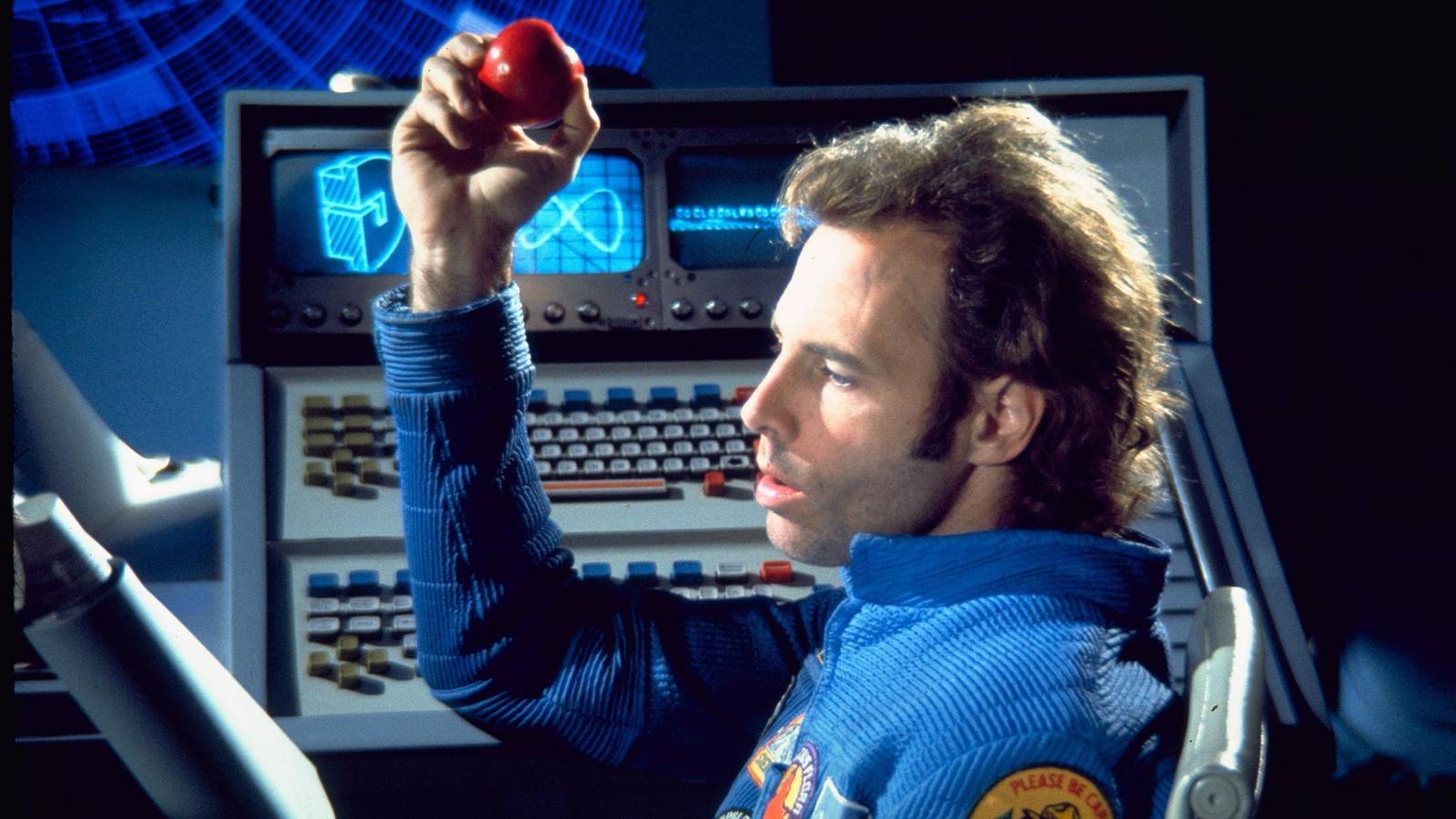
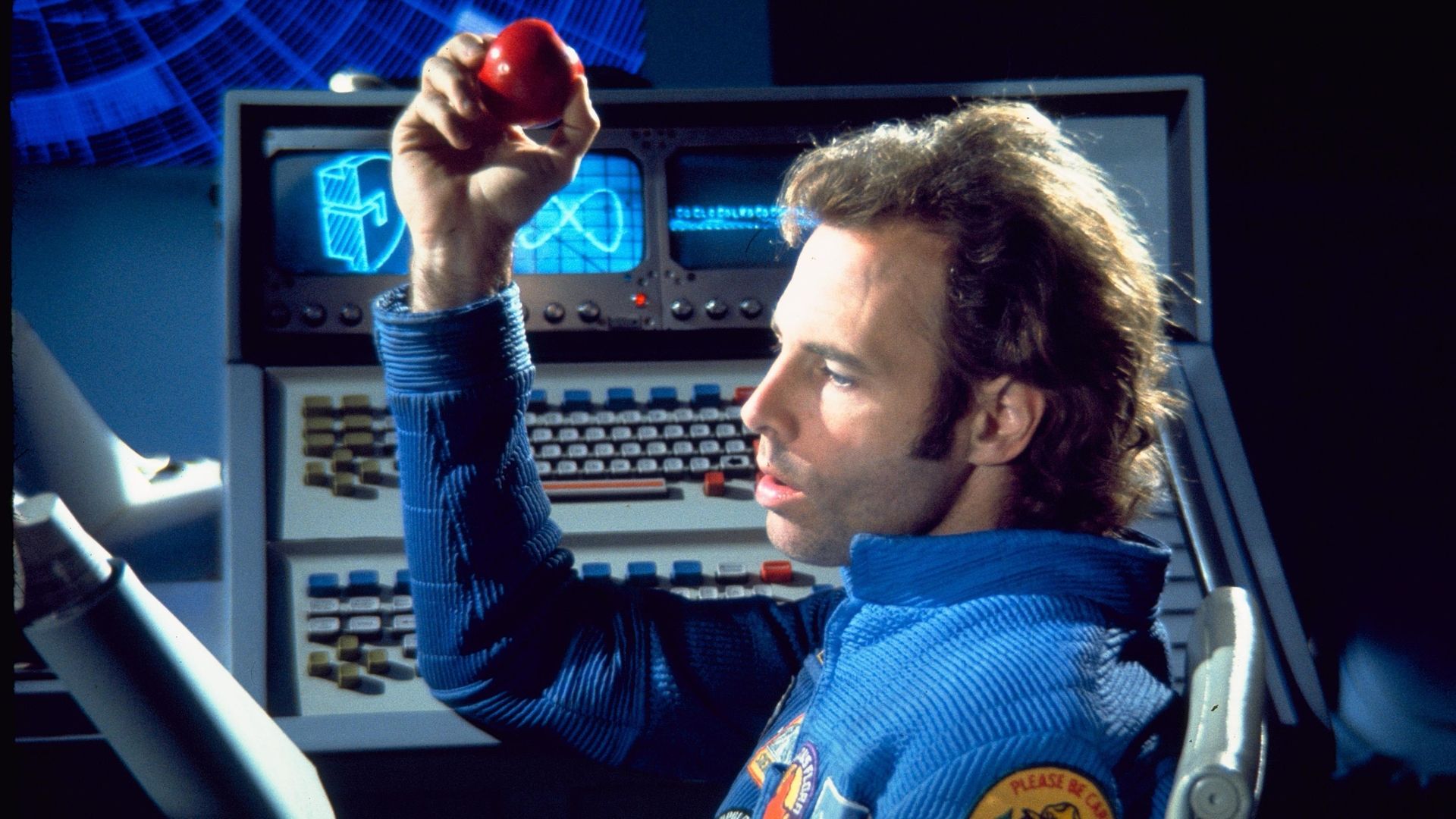
Silent Running (1972)
Set in the near future, Silent Running follows Freeman Lowell (Bruce Dern), a botanist and environmentalist who tends to a biome on a spaceship, caring for plants that have long gone extinct due to environmental neglect on Earth. When he learns that the government has decided to cancel his program and jettison his biome into space, Freeman rebels, killing the rest of the crew so he can continue his work that he sees as vital to humankind’s future.
Drifting Alone
Having been described as “A space opera with a conscience,” Silent Running delivered a heartfelt ecological warning that still resonates. Directed by Douglas Trumbull, who also worked on 2001: A Space Odyssey, he brings a similar visual flair, combining stunning and realistic visions of space travel. Themes of isolation become more intriguing under such sharp visual direction, as much of the film is spent with Lowell and a crew of AI robots that help him tend to his work and provide a means to stave off his loneliness. Thoughtful and visually striking, Silent Running would never reach the same heights as other sci-fi of the era, but its cult status has endured.